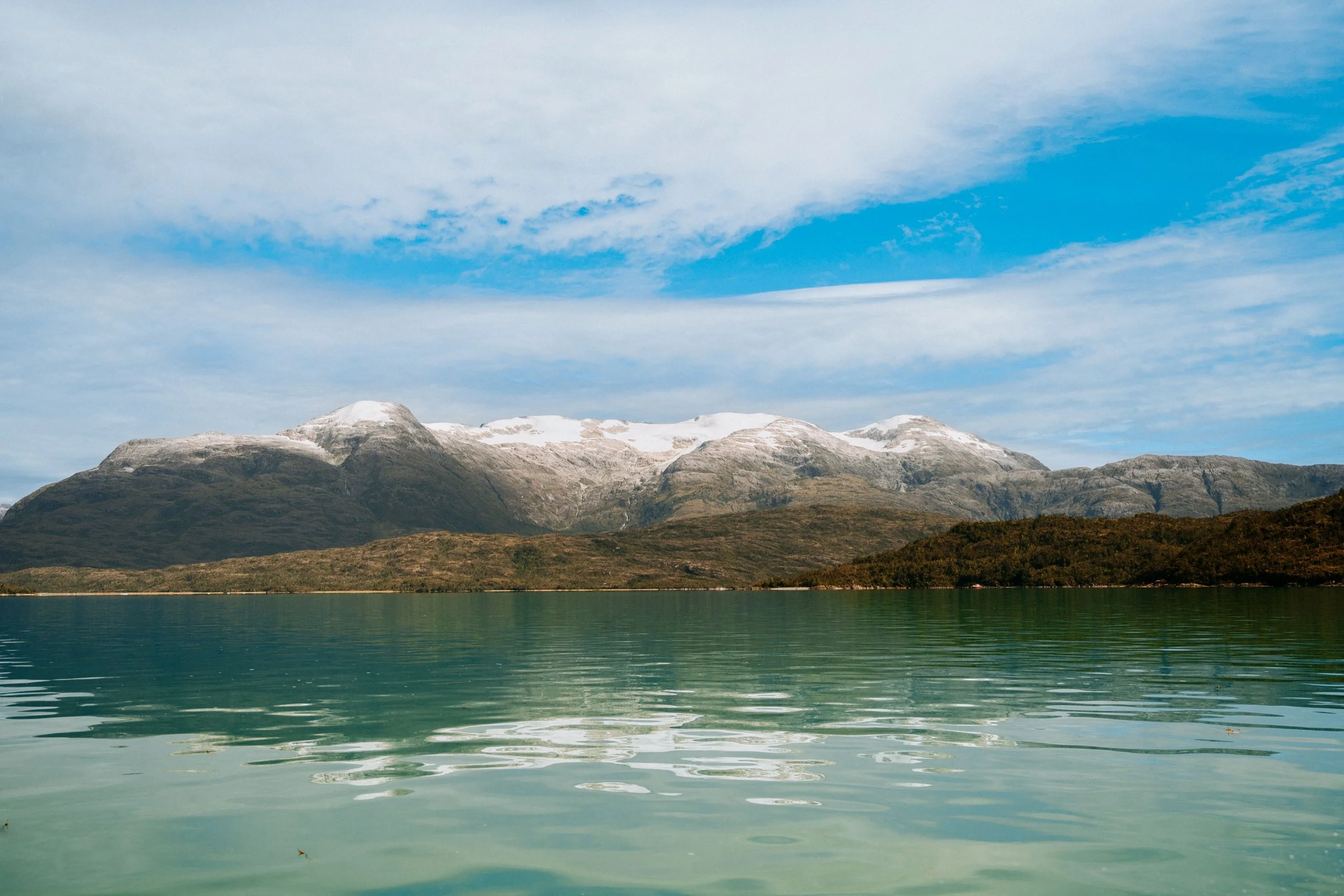
Patagonia Beyond Torres del Paine
How Chile learned to sell itself to the world, and how one corner of Patagonia became the face of an entire region.
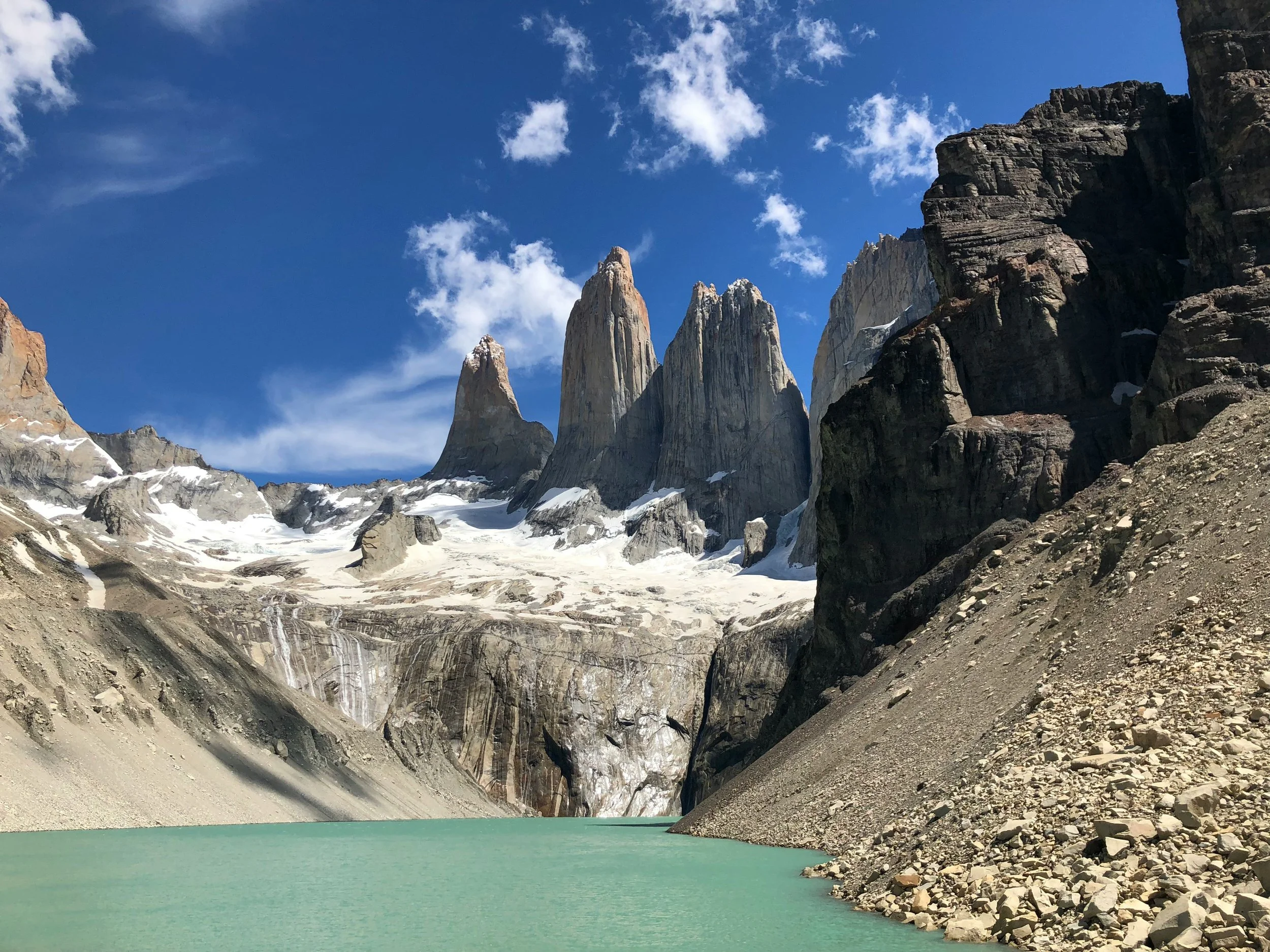
Torres del Paine by Joanna Kozik on Unsplash
Ask someone who has never been to Patagonia to picture it, and chances are they'll imagine three granite towers rising above a turquoise lake. Torres del Paine.
And they wouldn't be wrong. Torres del Paine is also in Patagonia. But it is not all of Patagonia.
So how did one landscape become synonymous with an entire region? Chile needed the world to look at it again.
In 1990, Chile returned to democracy after seventeen years of military dictatorship.
As the country reopened to the world, tourism became increasingly important to its economy. Chile began investing in international promotion and learning how to turn its extraordinary geography into a reason for people to visit.
And Chile had plenty to work with. A country stretching from the driest desert on Earth to the glaciers and fjords of the far south is not easy to sell as one destination.
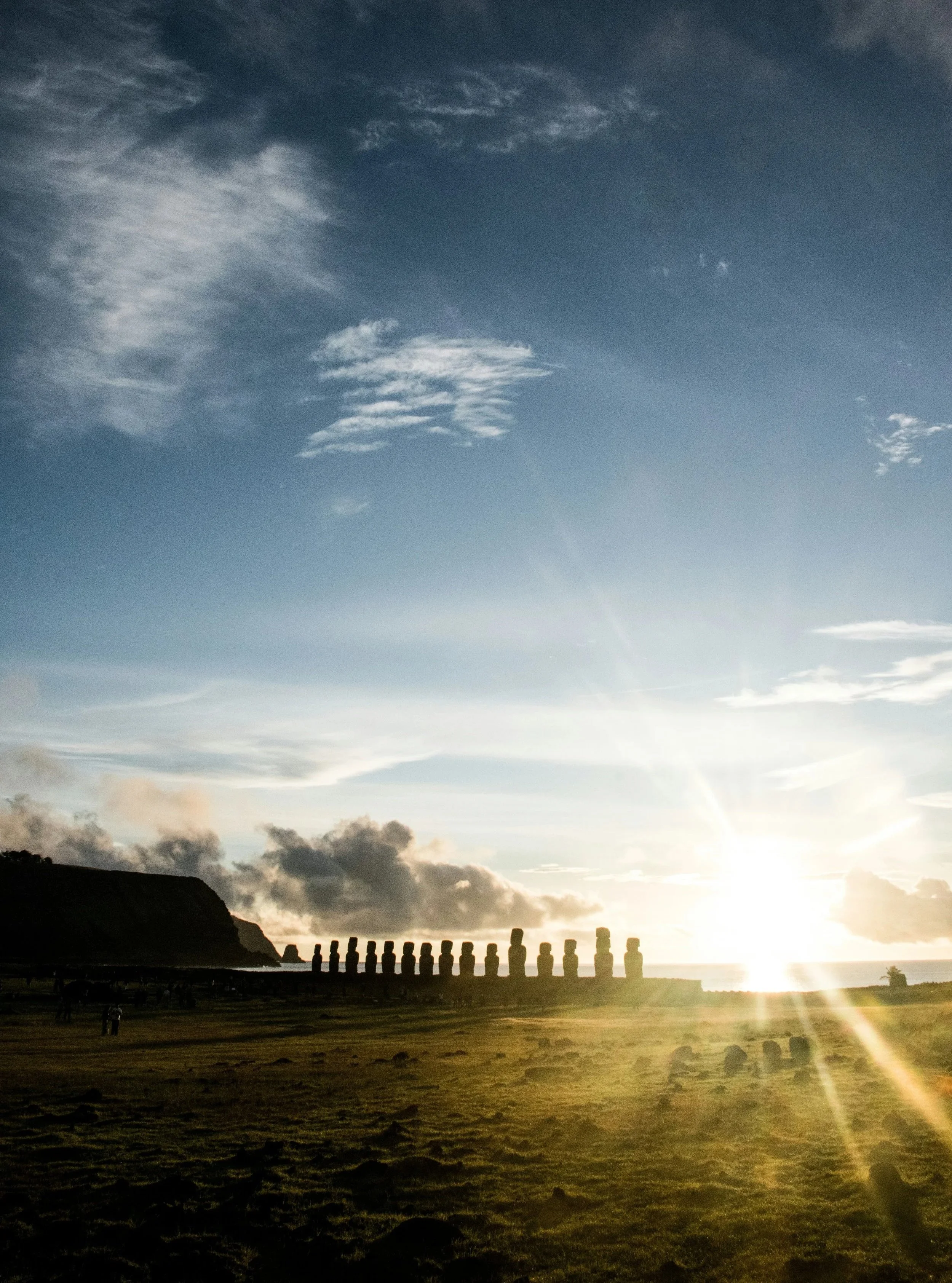
So you simplify: Three places eventually became powerful symbols of Chile abroad:
San Pedro de Atacama.
Rapa Nui.
Torres del Paine.
Three unforgettable landscapes. And one of them would become the face of an entire region.
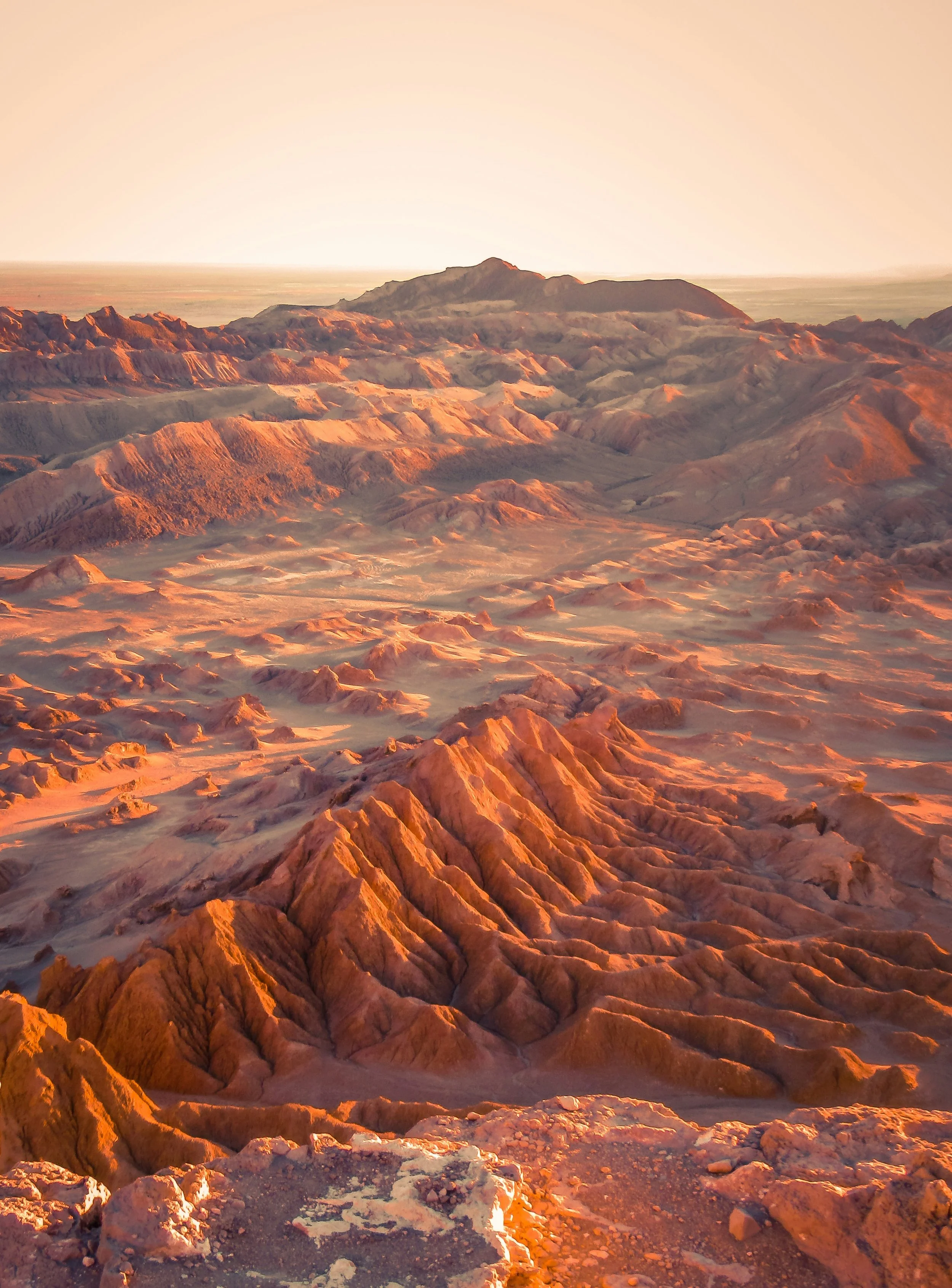
San Pedro de Atacama by Vinícius Henrique Photography on Unsplash
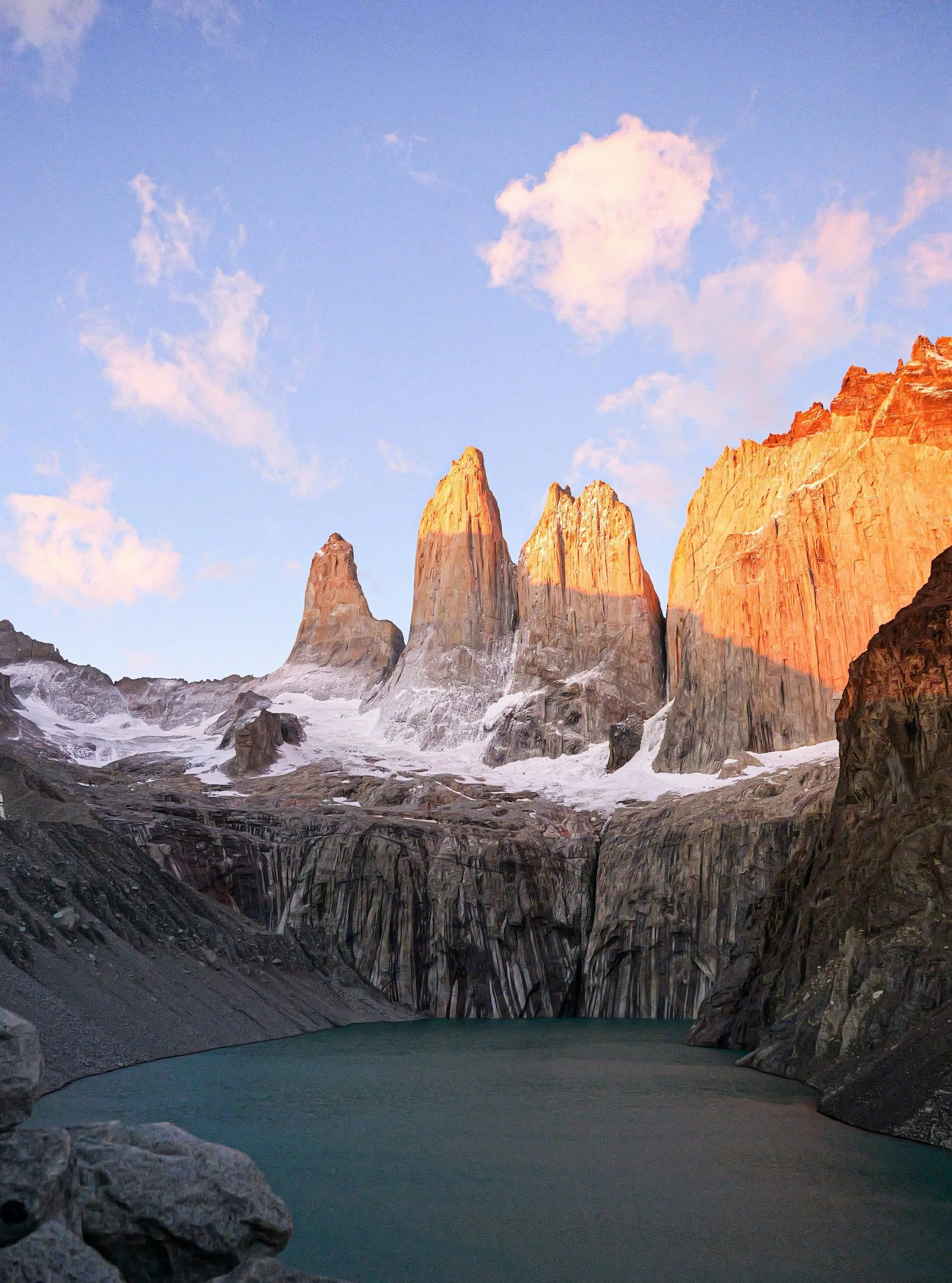
Torres del Paine by Carter Obasohan on Unsplash
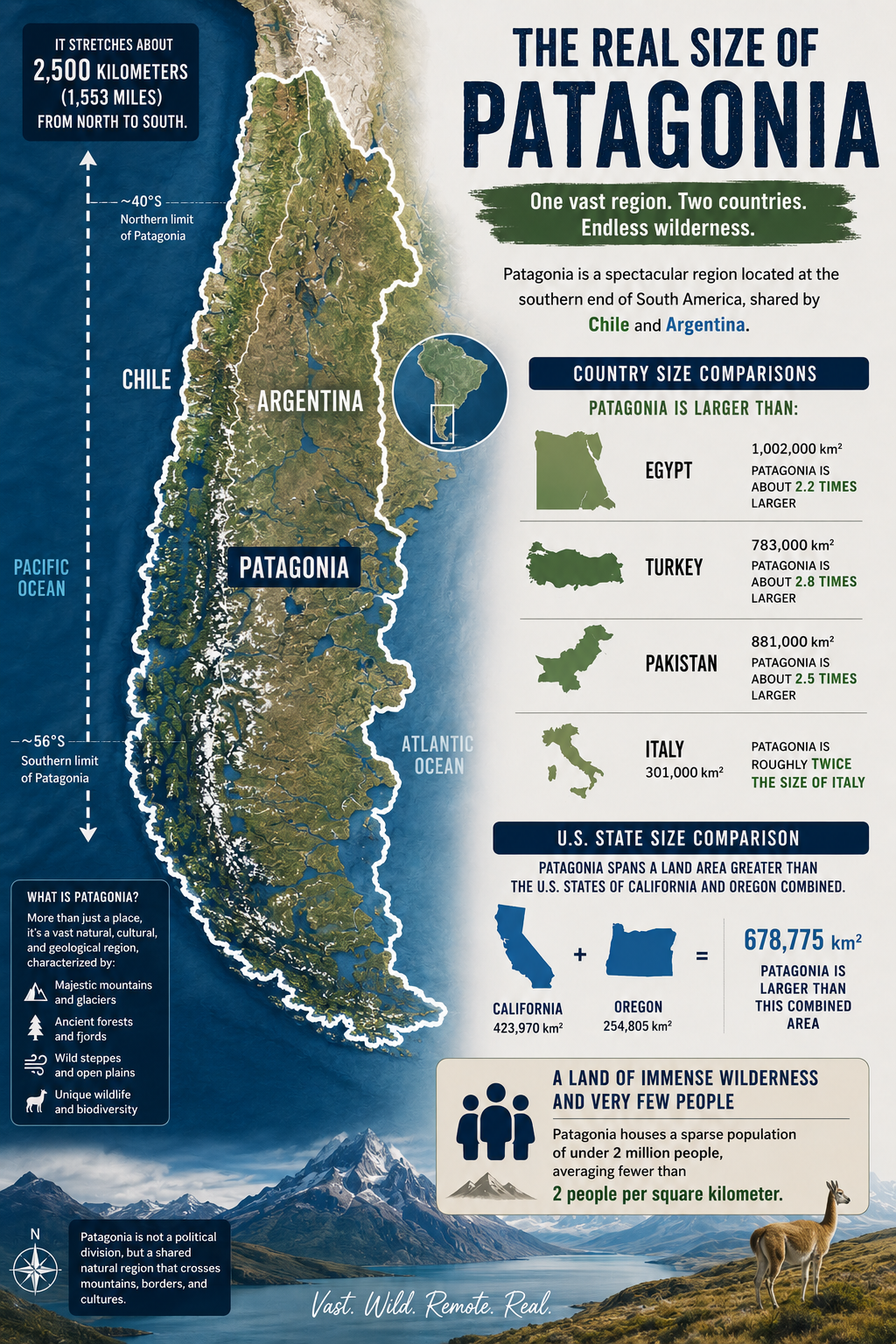
But, Patagonia isn't a single destination. It is an enormous region shared by Chile and Argentina, filled with landscapes, communities, and ecosystems most travelers have never heard of.
But tourism doesn't sell geography. It sells images.
And few images are more powerful than the three granite towers of Torres del Paine. Over time, Torres del Paine became the shorthand for Patagonia. Not because it isn't Patagonia. It absolutely is, but because one spectacular landscape became the image through which millions of people learned to recognize the entire region.
And when one image becomes synonymous with a place, everything beyond it can become invisible.
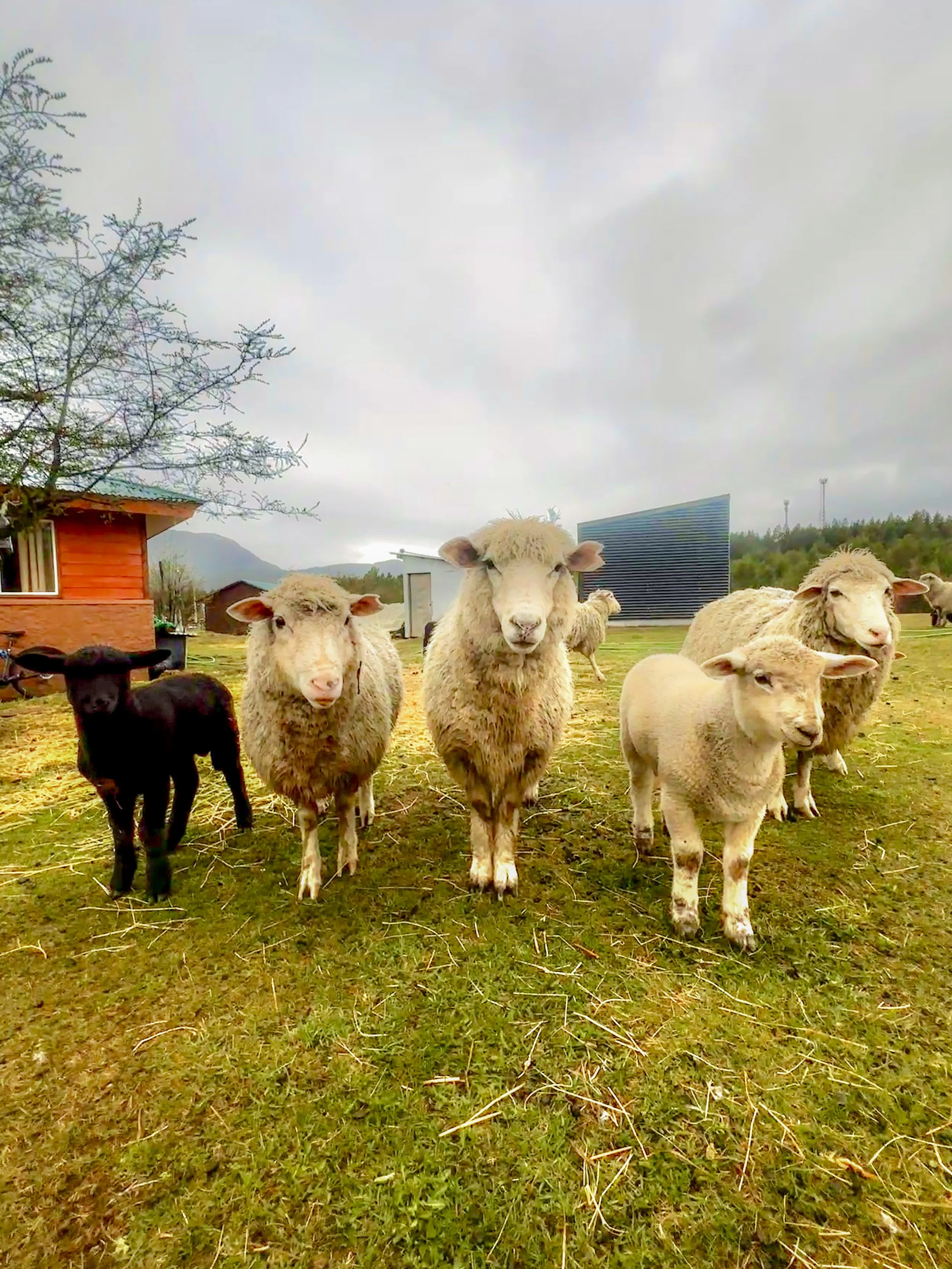
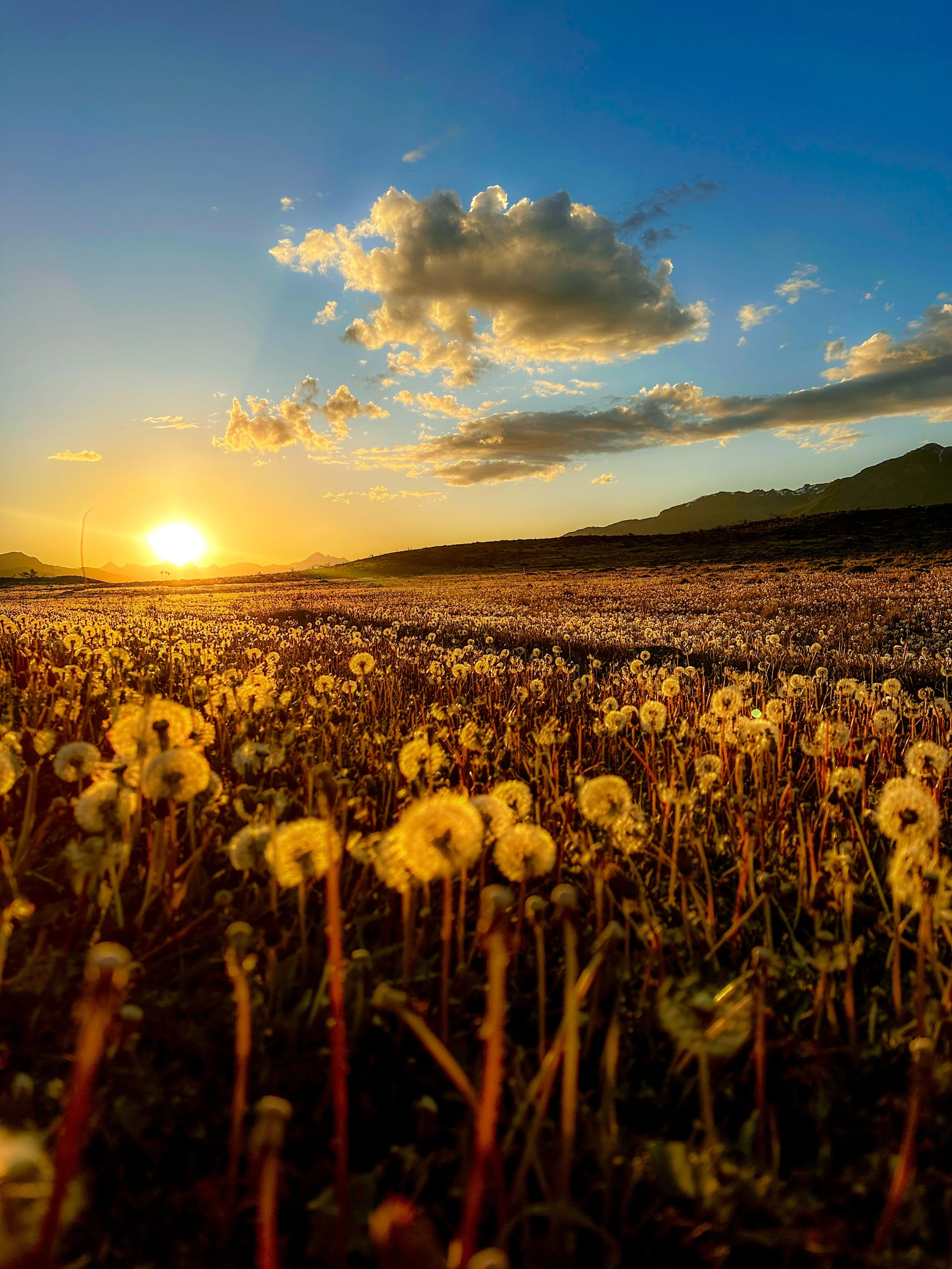
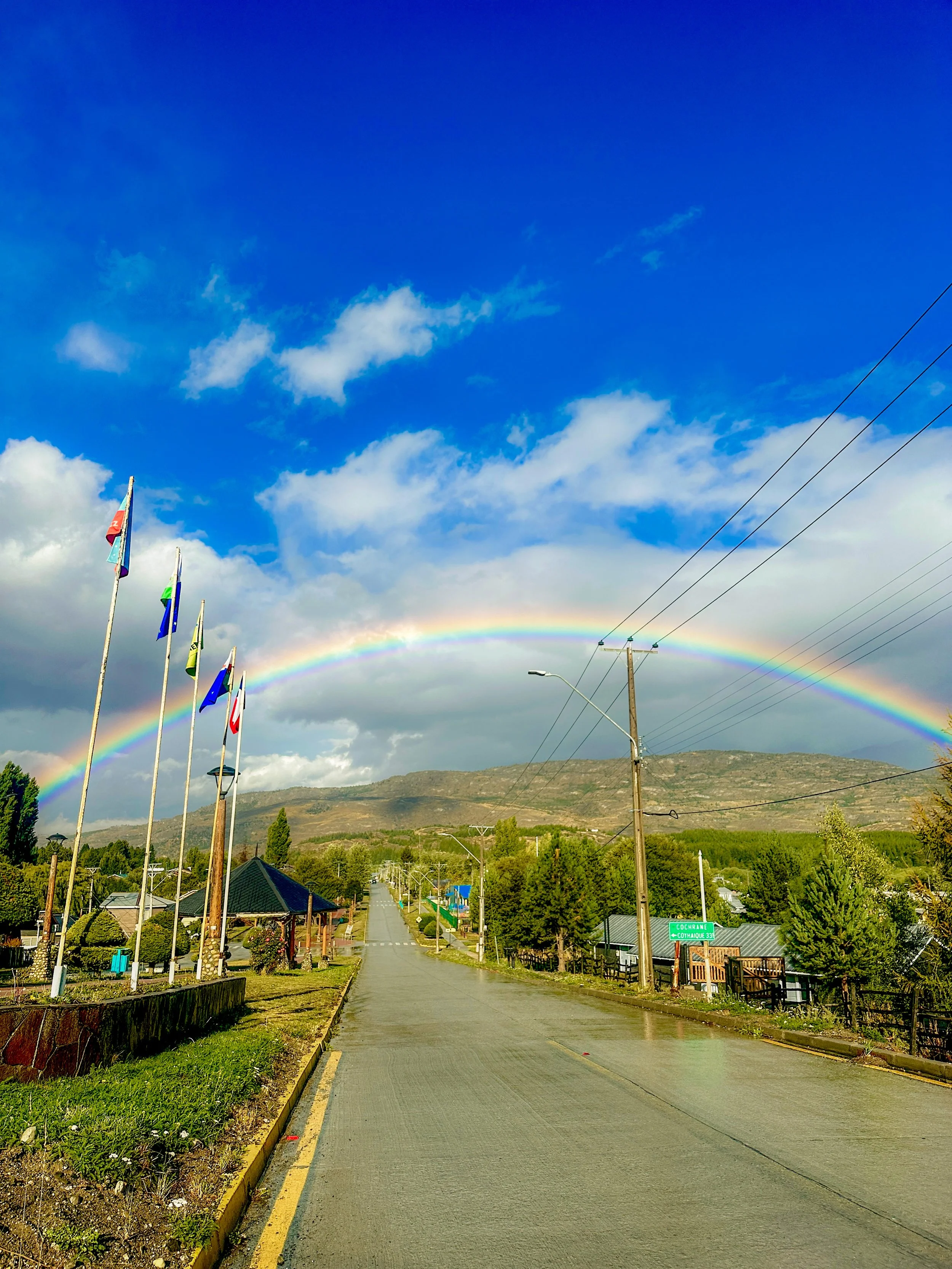
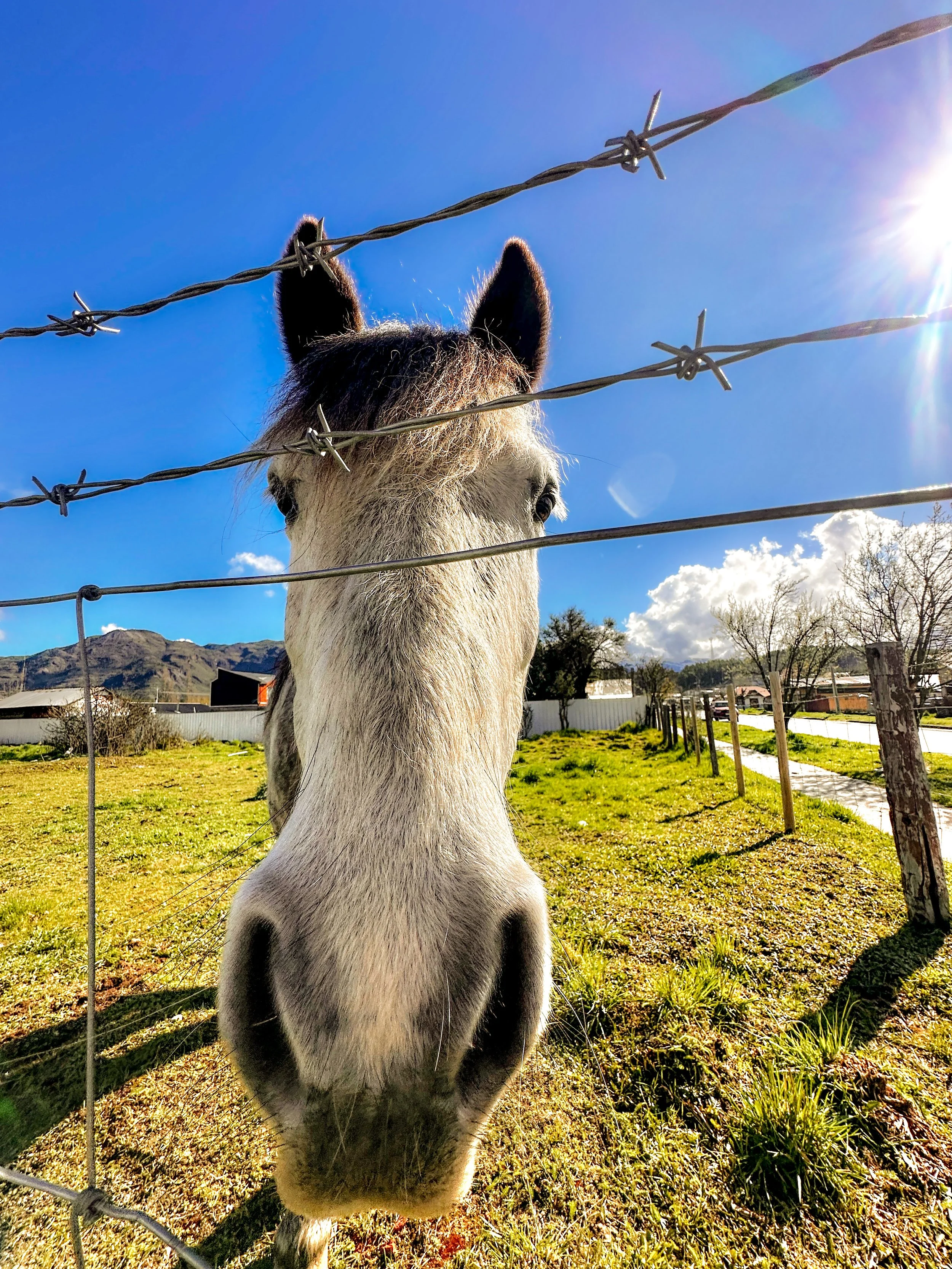
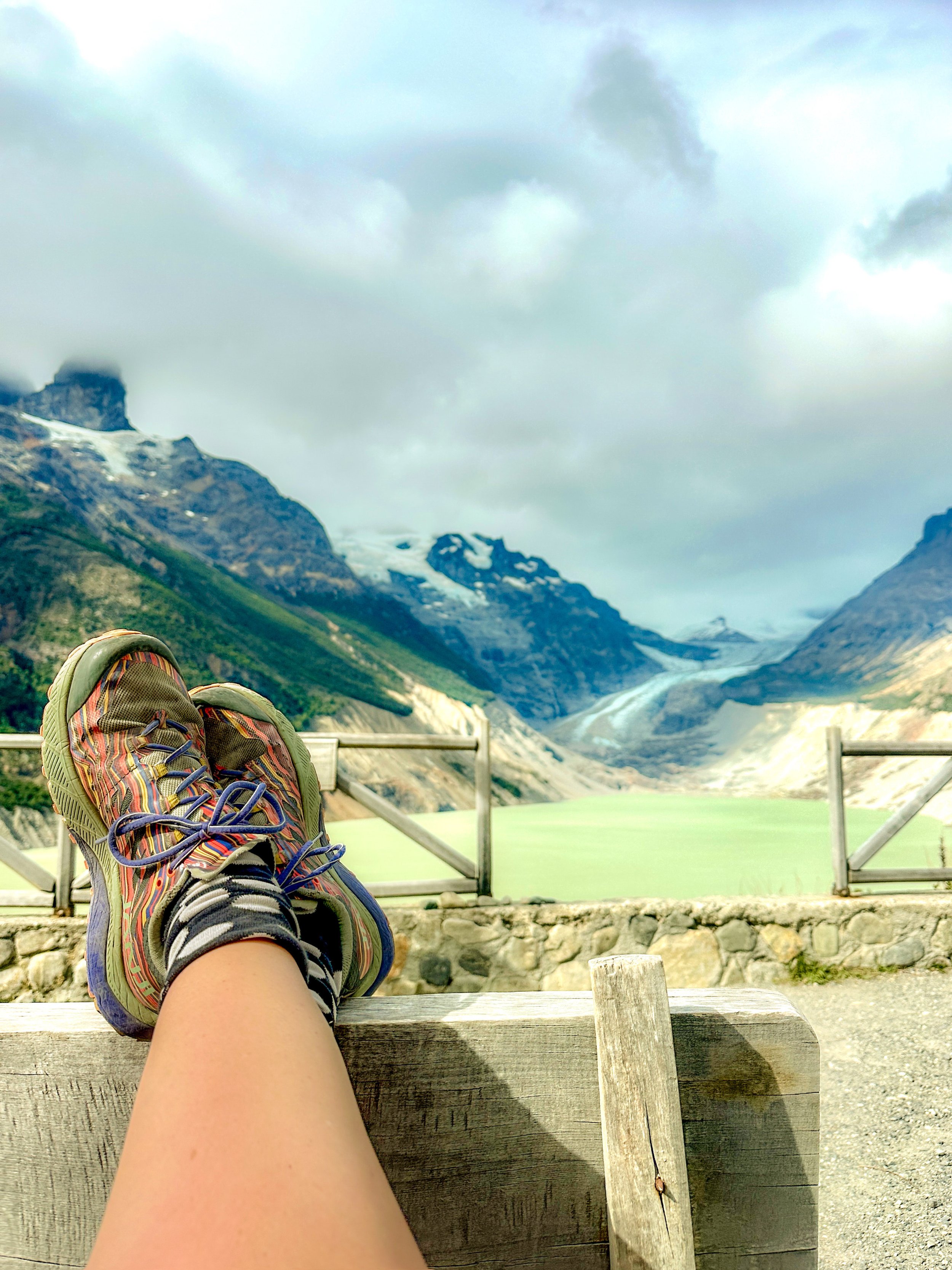
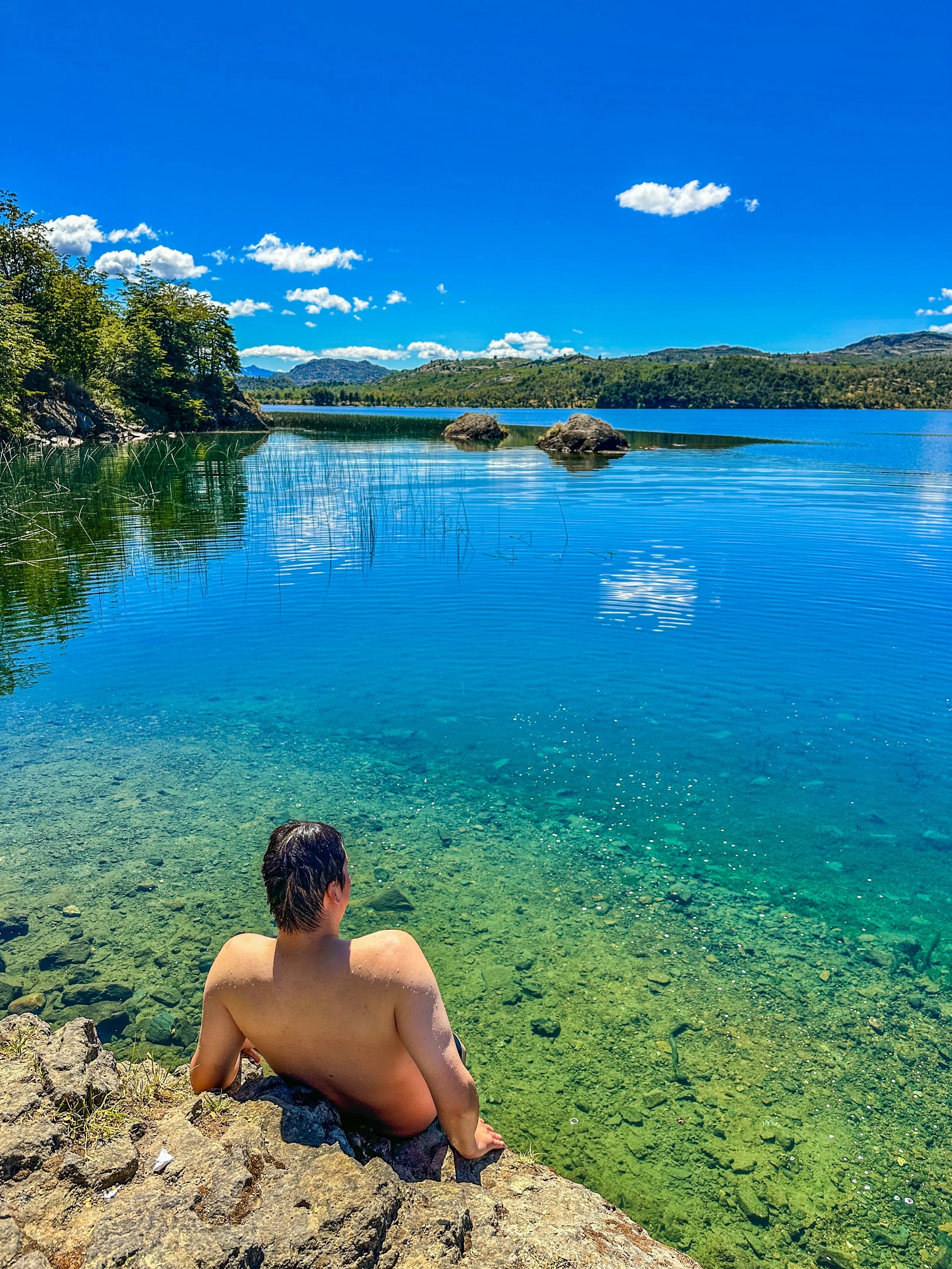
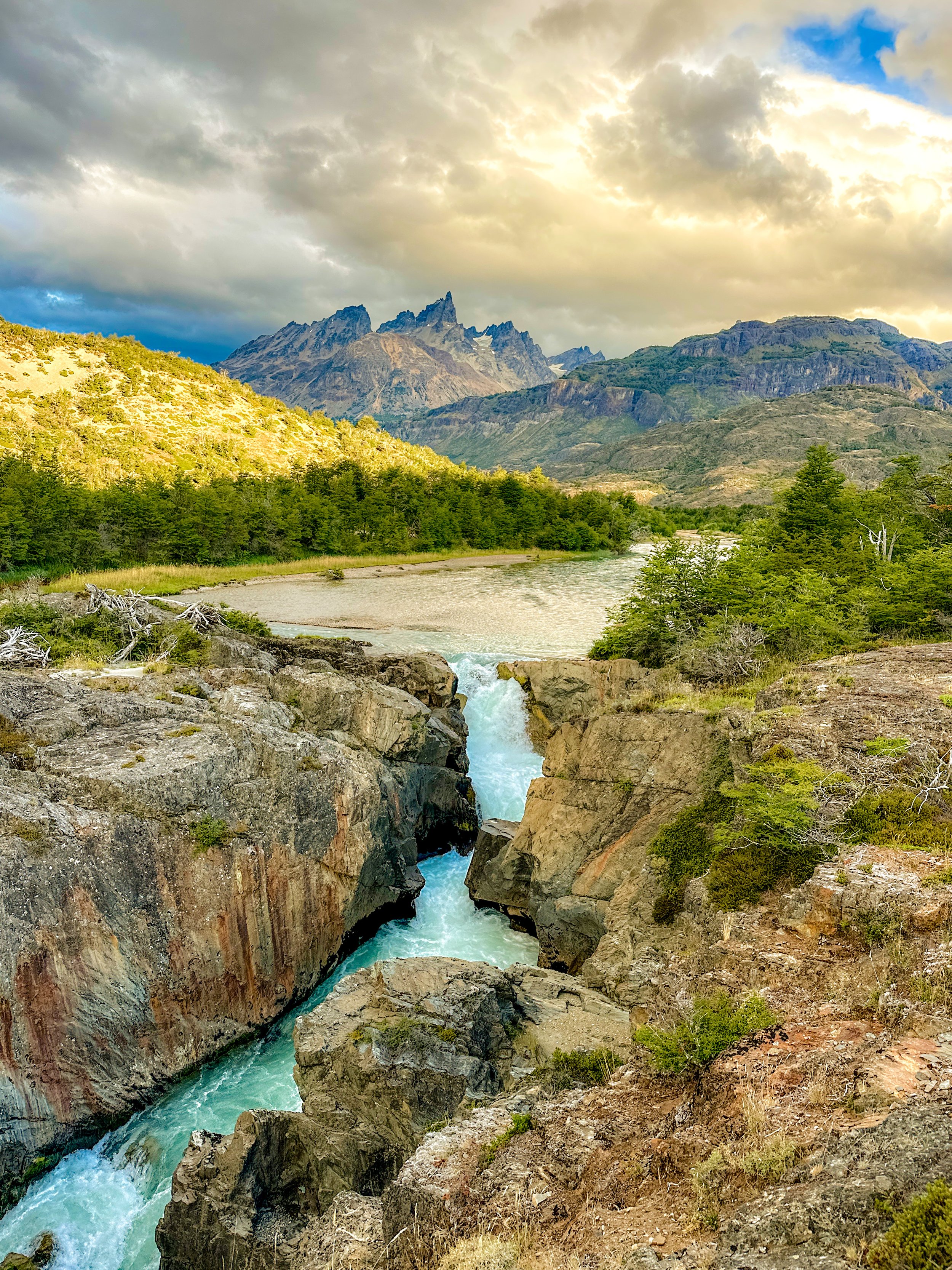
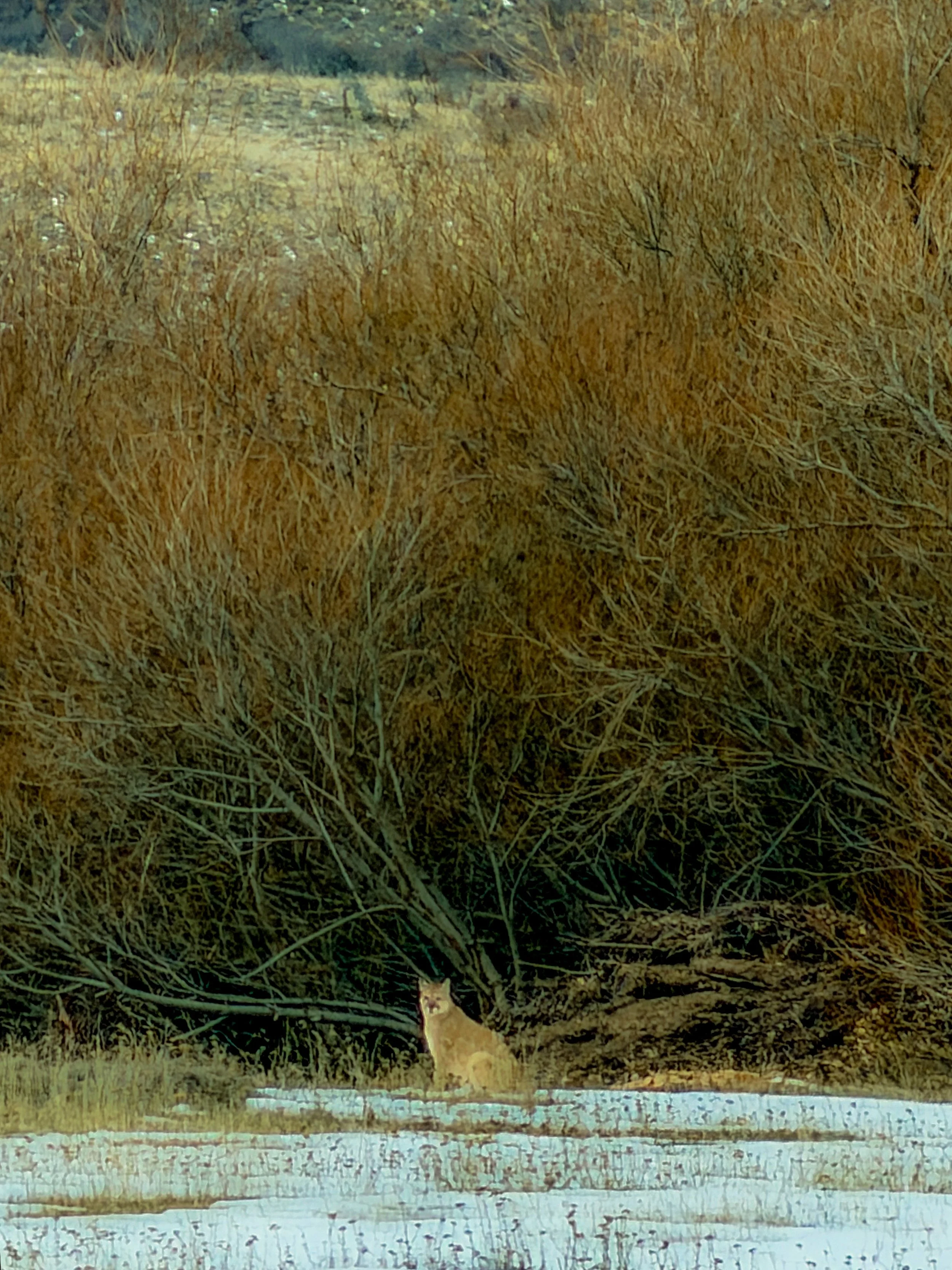
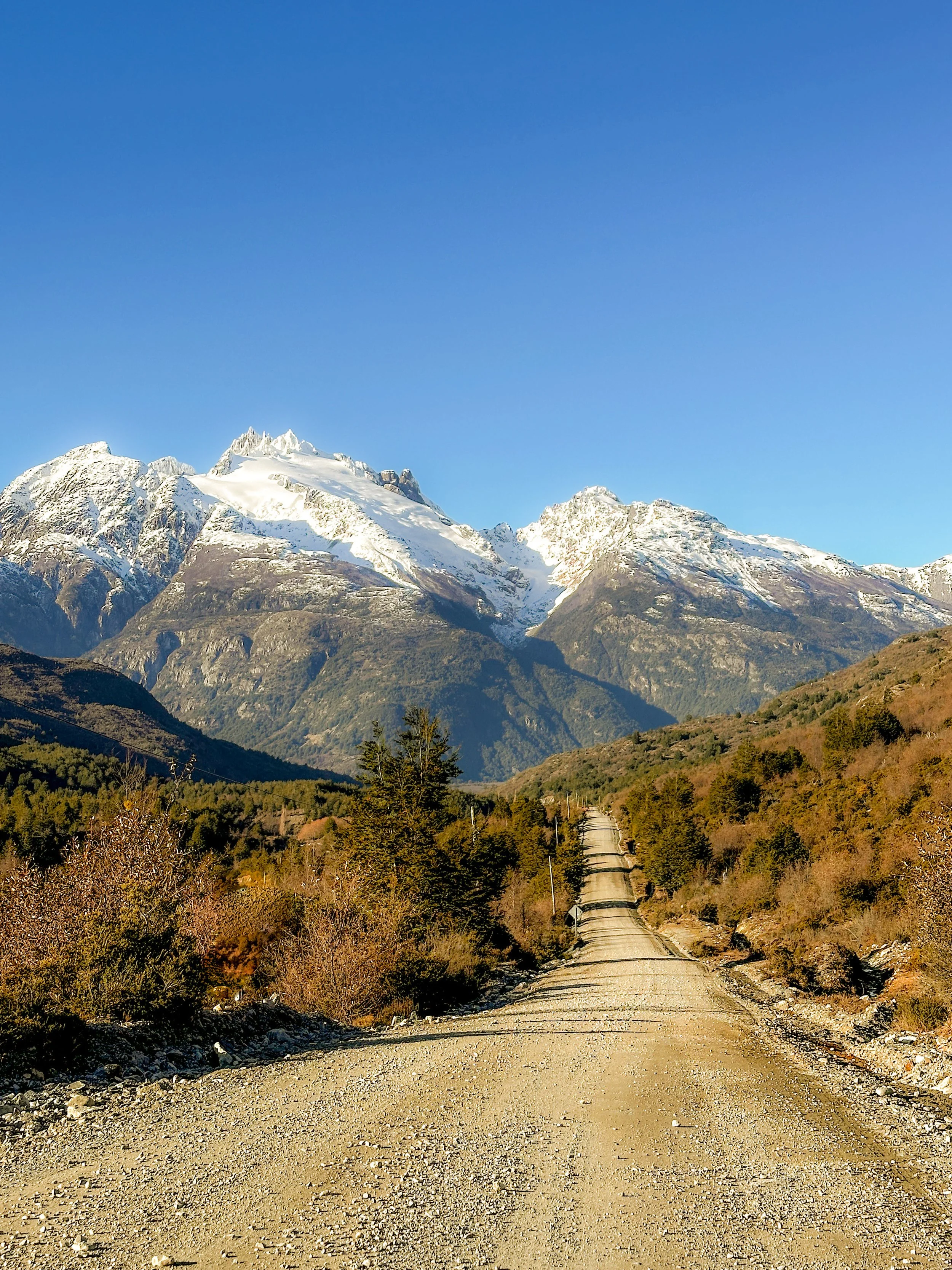
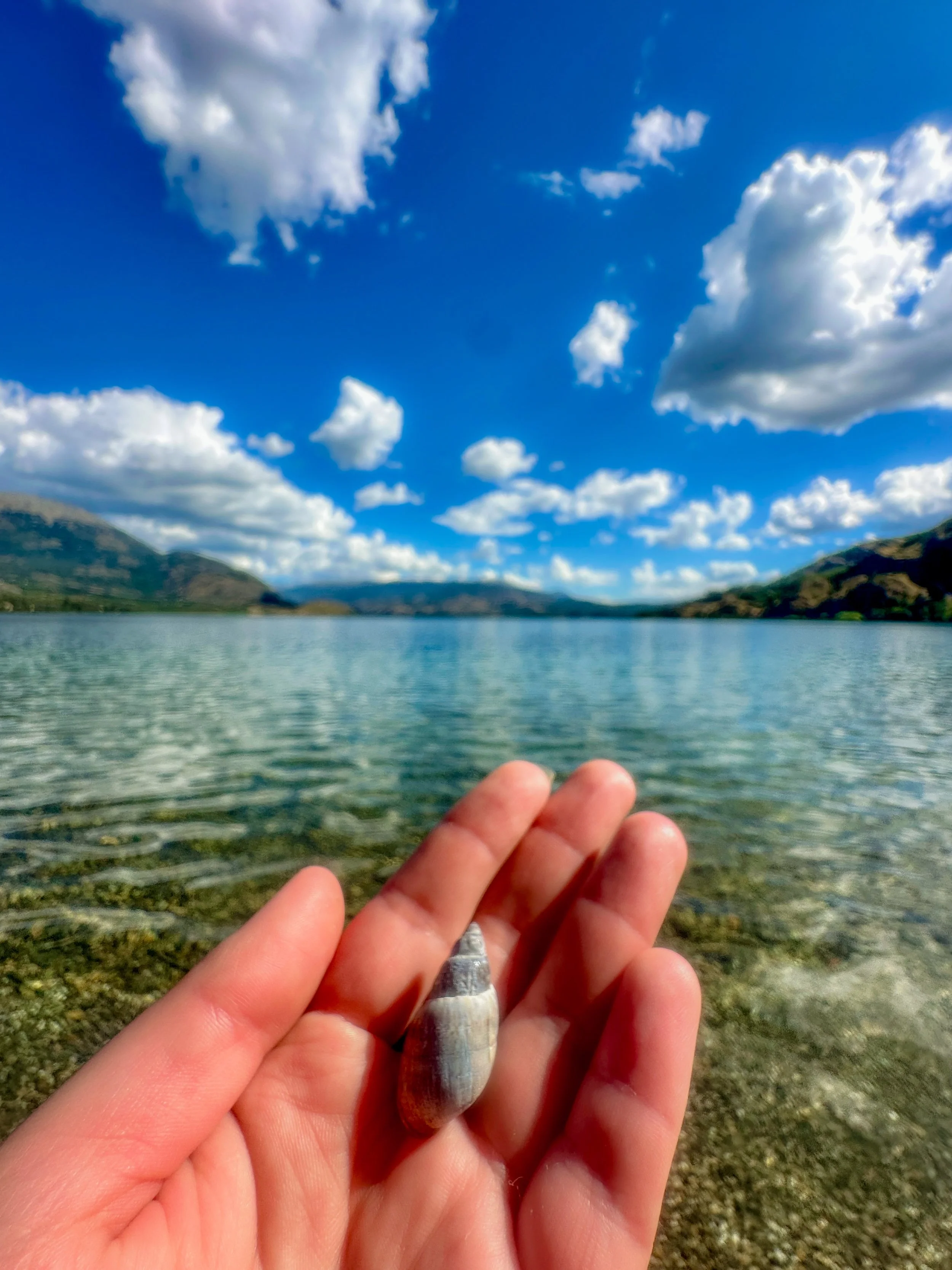
Carretera Austral
The Patagonia beyond the postcard
Farther north, in Aysén, another enormous stretch of Chilean Patagonia remained comparatively unknown. Running through it was a road that, for much of the twentieth century, barely existed:
The Carretera Austral.
For decades, much of this territory was effectively isolated from the rest of Chile. The construction of the Carretera Austral changed that, opening a route through one of the most remote regions in the country.
It wasn't originally built as a tourism project. Its purposes were connected to territorial integration, sovereignty, and connectivity.
But it had another consequence: It opened a Patagonia that had been extraordinarily difficult to reach. And slowly, travelers began to discover it.
Today, traveling the Carretera Austral is an experience in itself.
You drive through forests, past glaciers and along enormous turquoise lakes. You cross rivers on ferries, pass through tiny towns, and follow gravel roads where the weather can change several times in an afternoon.
The landscape doesn't wait for you at the end of the road.
It unfolds around you.
Torres del Paine is a destination while the Carretera Austral is a journey.
There isn't one famous mountain that represents the Carretera Austral. Instead, there are hundreds of moments.
The Baker River running impossibly jade-green between the mountains.
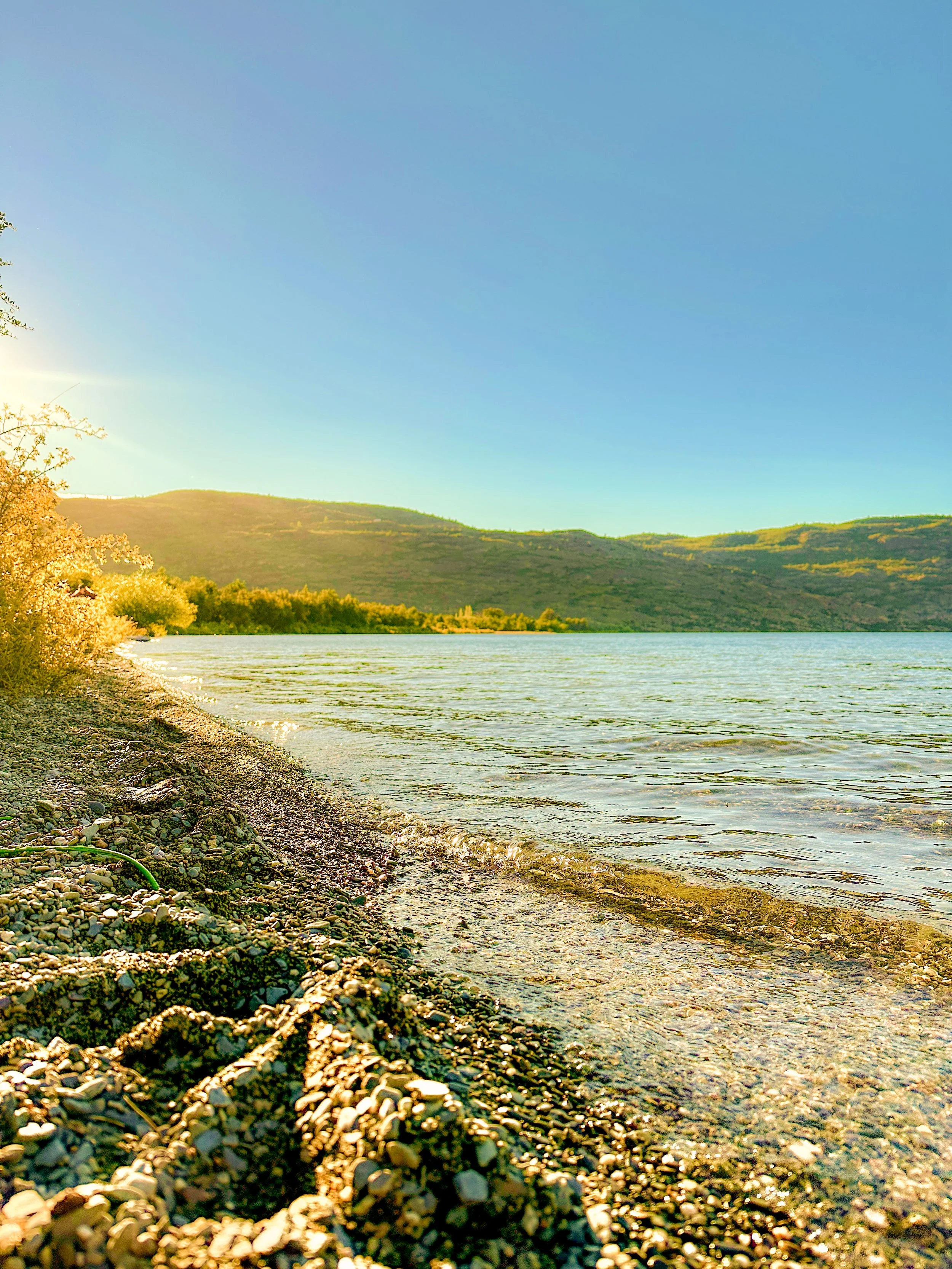
General Carrera Lake.
The Marble Caves.
Patagonia National Park.
Huemules in the forests around Cerro Castillo.
Condors above the road.
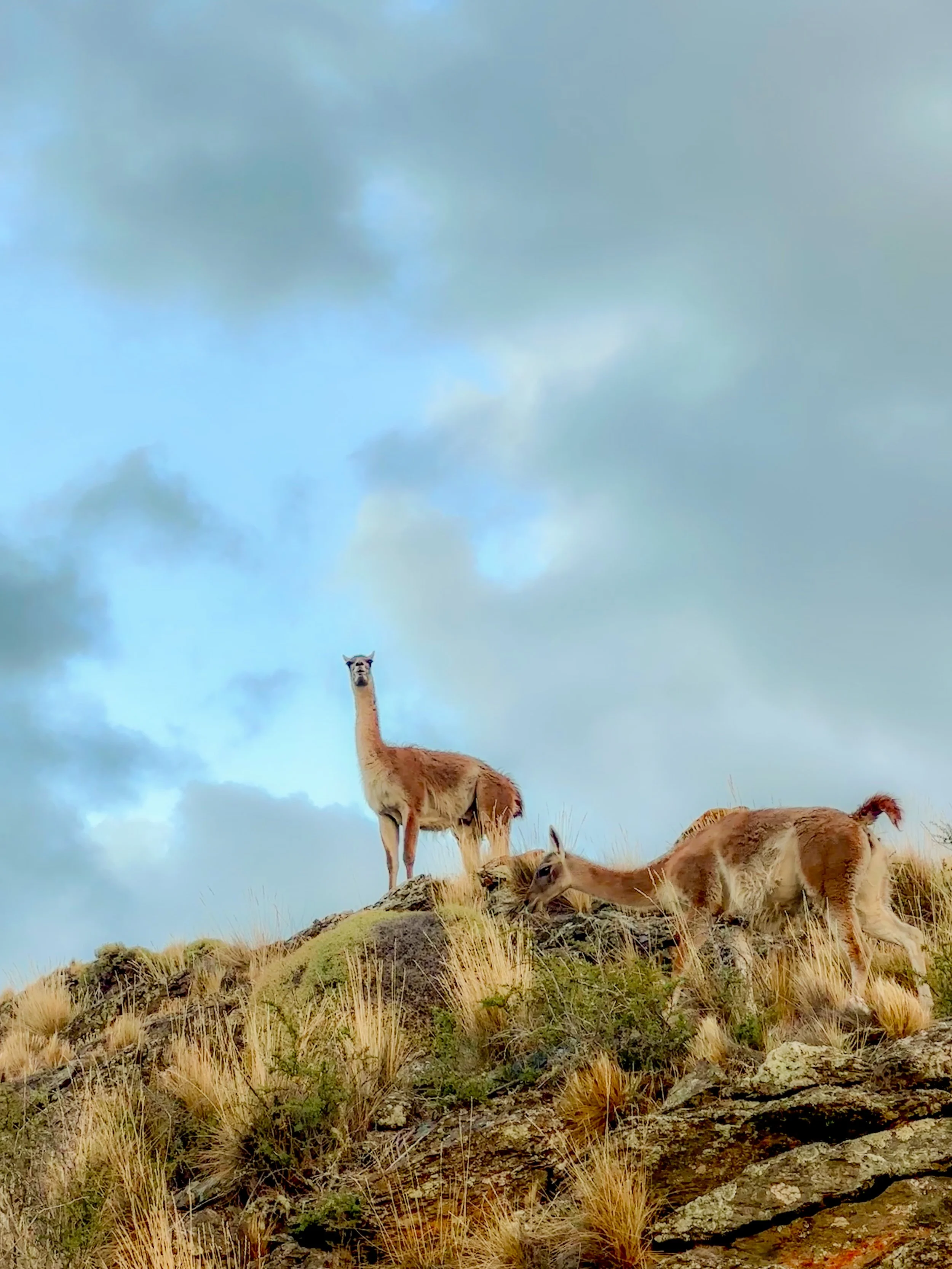
Guanacos beside it.
And, if you're extraordinarily lucky, a puma watching from somewhere beyond the highway.
You can't fit all of that into one postcard.
Maybe that's the point. Patagonia isn't better here. It's different.
Torres del Paine deserves its fame. But Patagonia is bigger than the photograph that made it famous. Bigger than the three towers. Bigger than one national park. And somewhere along the Carretera Austral, beyond the famous postcard, there is a Patagonia that still feels wild, remote, and wonderfully difficult to summarize.